Loading the post…

Most of what we took home from CloudFest Americas happened off the agenda. The event ran on 11 and 12 November at Ice Palace Studios in Miami, alongside NamesCon Global, so hosts, cloud providers, and the domain industry shared one hall for two days.
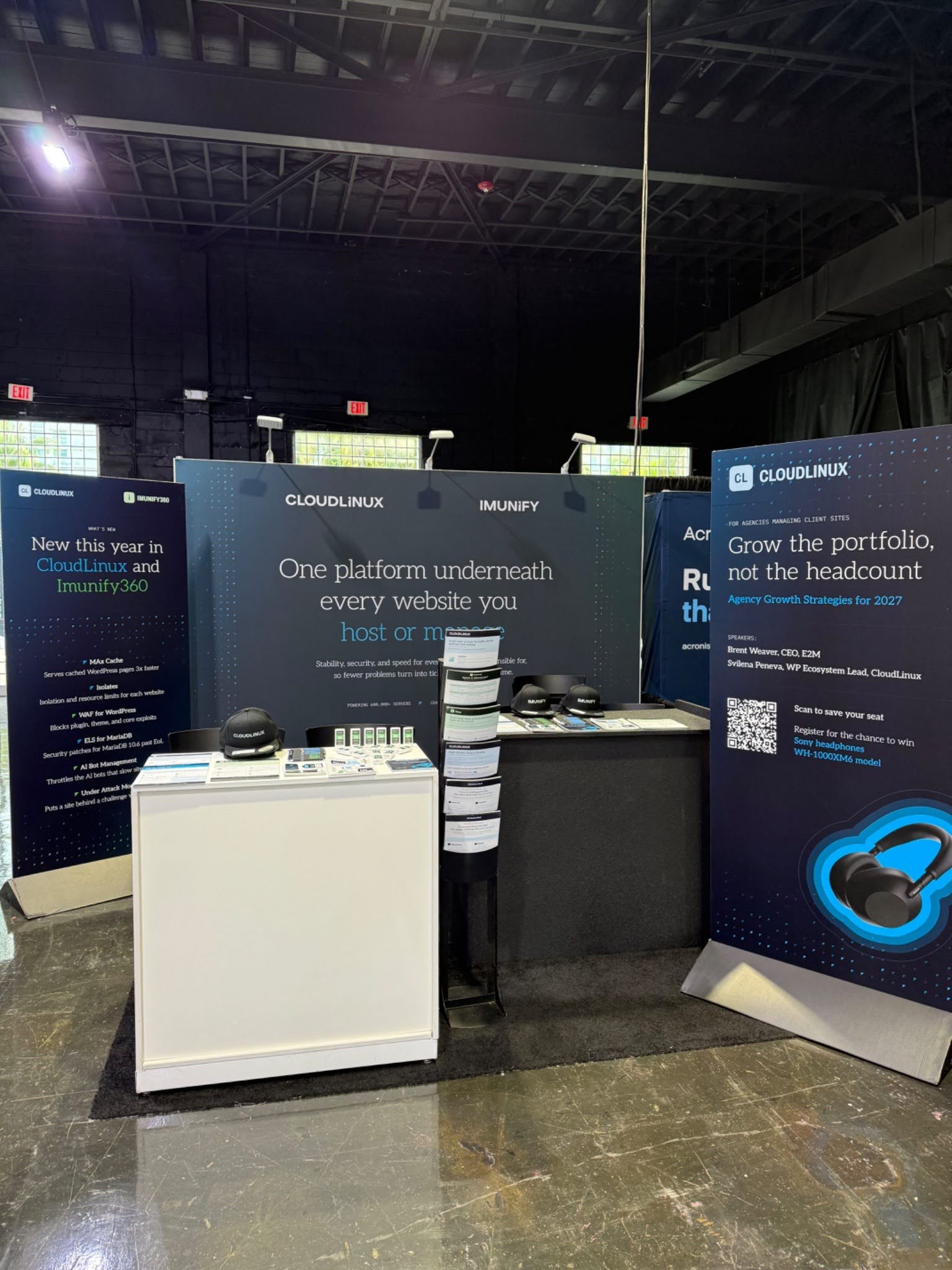
We were there as a Gold partner, at booth 204, seven of us: Igor Seletskiy, Matt Russell, Ryan Bradbury, Alex Yevelev, Eric Ellis, Michael SassoRossi, and Svilena Peneva.
Two of us took the stage.
The rest of the time went into conversations, at the booth, in our rented loft a few minutes' walk from the hall, and on Thursday afternoon on the water. That’s the way it should go at an event like this.
Two days at a booth resulted in a lot of conversations. Years-long customers came by to compare notes. We finally put faces to names with partners we had only met over email. A fair number of people stopped for the swag and stayed because of a server they wanted to talk about.
A few of the sit-down conversations stand for the rest.
Lukasz and Konrad from AdminBolt stopped by to say the partnership has been a smooth one so far. CloudLinux is in and is their current focus. Imunify is to follow shortly, and the announcement around it sent a noticeable bump of traffic their way.
At Elliptical Hosting, Jack had a simpler message. A large share of his customers will not move off older PHP and OS versions, so the fact that we keep patching them is something he wanted to thank the team and Igor for in person.
That was the pattern of the week, and it is worth noting. A working product rarely generates a ticket, so a booth often becomes the only place that kind of feedback gets said out loud.
On Thursday morning, Svilena joined the Agency Survival Guide panel on the Biscayne Stage, with David Snead of the Secure Hosting Alliance moderating, Carrie Smaha of InMotion Hosting, Vito Peleg of Atarim, and Nick LaRose of rtCamp.
The panel was about the decisions that protect an agency’s name when something goes wrong. Clients never see the hosting, security, backup, and recovery decisions an agency makes for them. They only know who they hired.
Svilena’s argument was about dividing the work by who can do it without disruption.
The host protects underneath. It patches the server while it keeps running, blocks a known attack before it reaches the site, and keeps one site’s problem from becoming its neighbors'. That takes the urgency away.
The agency then does the part that can break things, updates and upgrades, by testing them on its own schedule. Two clocks, in other words. Hours for the host, days for the agency. Usually, days are fine as long as the hours part happens automatically.
The number she took on stage was that 45% of agencies managing 100 or more sites still update them one at a time.
One rule for the division itself: divide the work, never the client. The client has one number to call, and it is the agency’s.
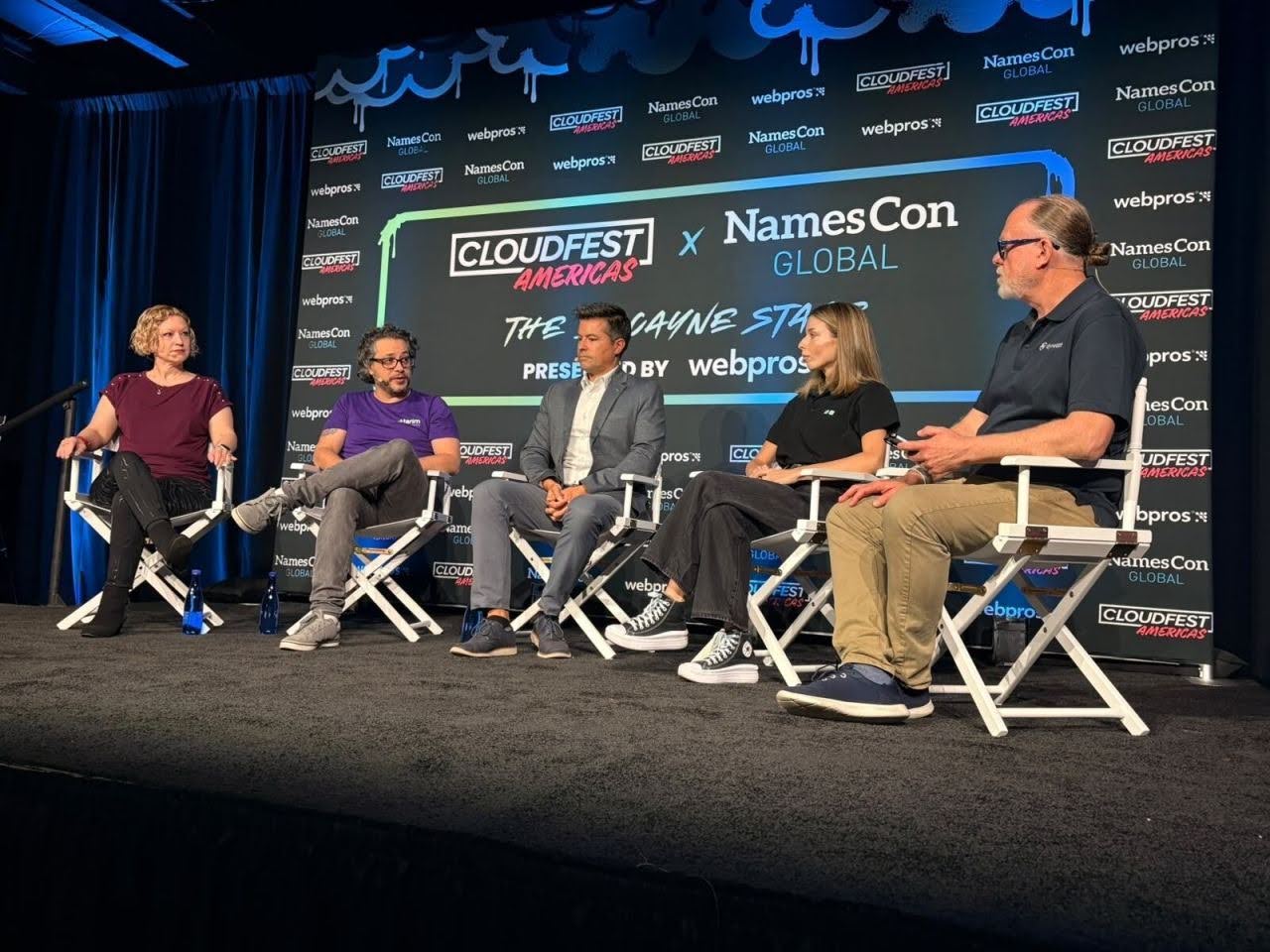
Igor’s panel came in the afternoon on the Wynwood Stage. When the Patch Window Disappears: Security in the Age of AI, with Drew Bagley of CrowdStrike and Aaron Campbell of Monarx, moderated by Ron da Silva.
The time between a vulnerability going public and the first exploit attempts used to be weeks. Now, it is often a day or less, and no team tests and rolls out a fix across a fleet in a day.
The first response has to happen without a person in the loop, and the panel was about what that means for the people who run the servers.
The booth is where people find you. The loft is where the conversation gets long enough to matter.
We rented one a few minutes' walk from the hall and kept it open both days, with coffee, snacks, a table you could open a laptop on, and no hall noise. Some of those meetings were booked weeks out. Others started at the booth with "do you have 20 minutes" and ended an hour later.
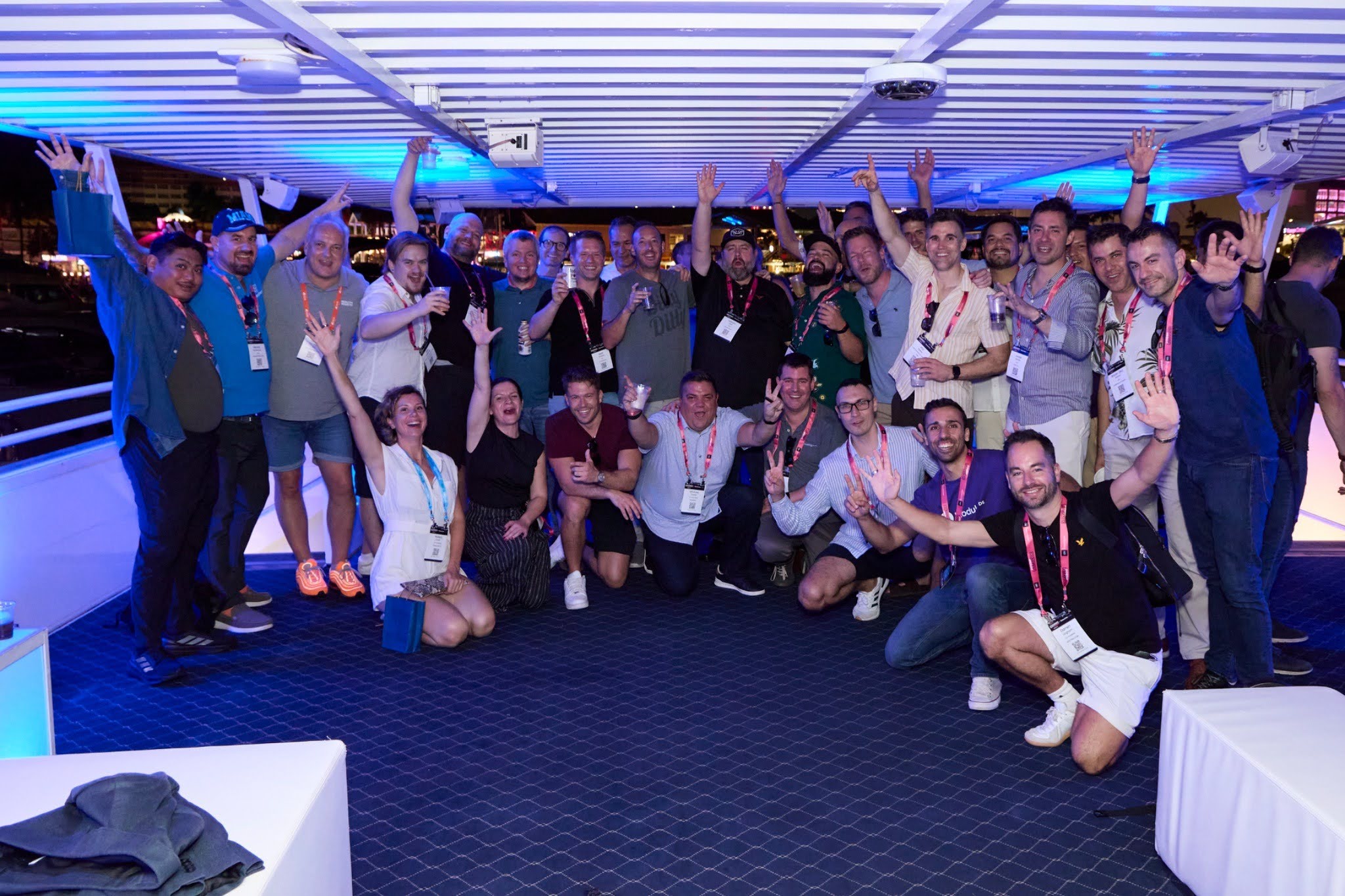
Thursday afternoon we took over 70 customers and partners for a sail out on Biscayne Bay. No slides, no agenda, and then the rest of the afternoon with the Miami skyline on one side and the conversations that only happen when nobody has a meeting next.
Several people told us afterwards it was the best part of their week, which made it all worthwhile.
CloudFest Americas was also the first time our new brand stood in a room.
We announced it on the blog the day before the doors opened, and the booth, the banners, the apparel, and the swag were all built in it: the new wordmark, the navy ground, the green.
The reason for the change: hosting providers were our first market and still are, but agencies and plugin makers now buy our products directly, and the old identity used to say only one thing: infrastructure.
Miami was a good place to try the new one on, because the room had both. For anyone who runs our products, nothing about the service, the support, or the software changes.
Thank you to the CloudFest Americas team for two well-run days, to David, Carrie, Vito, Nick, Drew, Aaron, and Ron for sharing a stage with us, and to everyone who came to the booth, the loft, and the boat.
The next event on our agenda is CloudFest Global in Europe next March.
We hope to see you there!

Svilena Peneva
Comments